Be Limitless · Harlequin Experience

Can the Harlequin Experience Make You Healthy?

What if a healthier way of living begins with understanding how you think, feel and respond to the world around you?

The Harlequin Experience explores how thought patterns, self awareness and personal development relate to health and wellbeing.

In 2017, my exploration of the brain, behaviour and the mind–body connection began changing how I understood personal growth.

Personal development can support reflection and growth.

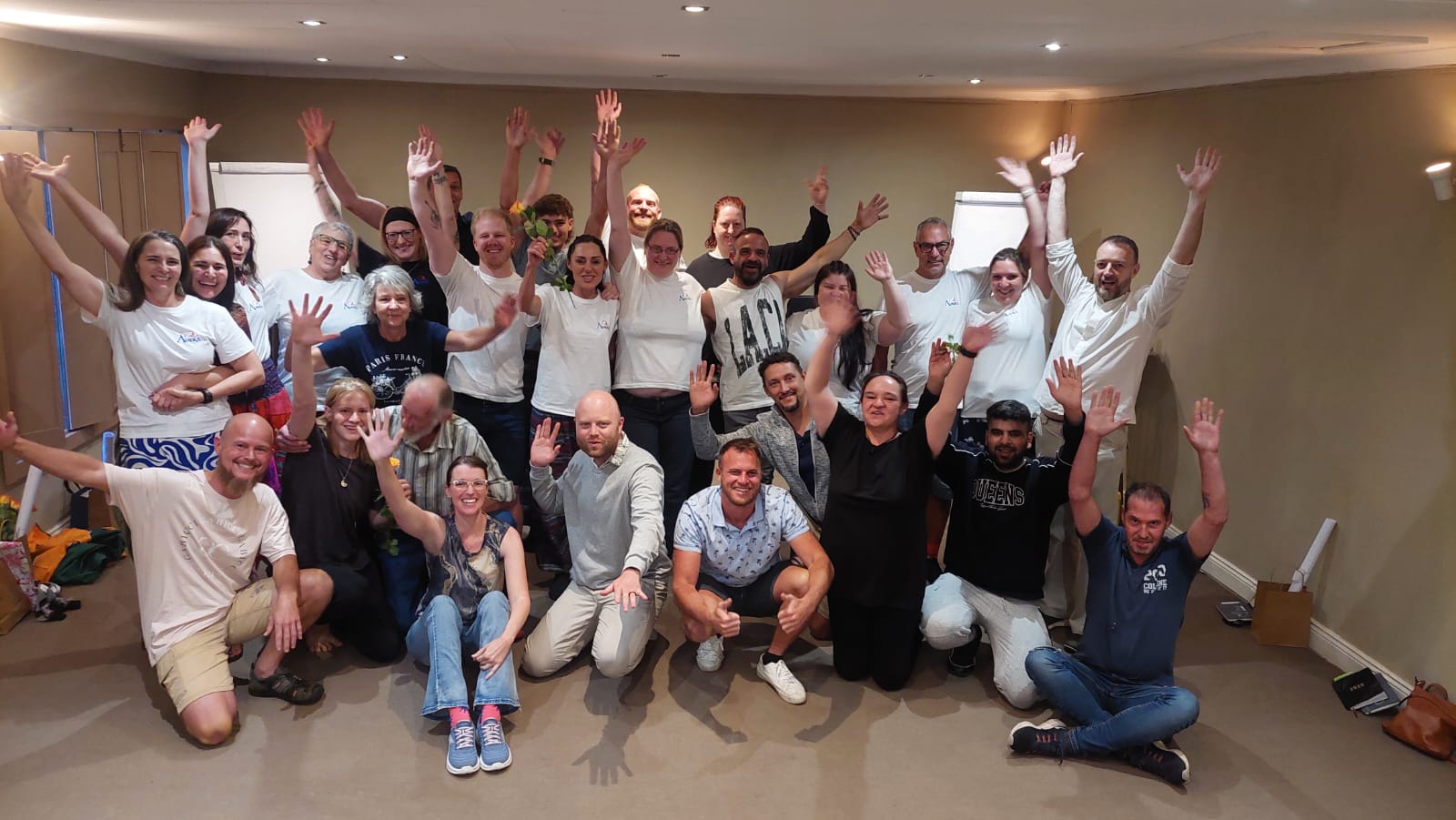
Harlequin Experience participants gathered together at a workshop, smiling and raising their hands
Real people. Real experiences. Be Limitless Harlequin Experience.

The science: your brain is not set in stone

The brain has an ability known as neuroplasticity—the capacity to change in response to learning, experience and practice.

This does not mean we can simply think ourselves into becoming anything we want. It means that learning and repeated behaviour can influence how our brains function over time.

Consider a response that feels automatic: becoming defensive when criticised, withdrawing during conflict, or doubting yourself before trying something new. When a response becomes familiar, it can feel inevitable. But familiar does not mean unchangeable.

Awareness creates an opportunity for choice. Practice helps turn that choice into a new pattern.

When we recognise a reaction, question an assumption and practise a different response, we create an opportunity to develop new ways of thinking and behaving. Change is not instant or guaranteed, but patterns can be examined rather than followed automatically.
Your mind and body are connected

Have you noticed how a stressful situation can affect more than your mood? You might struggle to sleep, feel tension in your body, find it harder to concentrate or become more irritable.

Researchers in psychoneuroimmunology study how psychological processes, the nervous system and the immune system interact. Research indicates that psychological stress can influence aspects of immune function. The effects depend on the nature and duration of stress and on individual circumstances.

This does not mean every negative thought makes you sick, or that positive thinking prevents disease. Human biology is more complex than that. It does mean that our mental and physical experiences interact.

What happens when stress becomes a pattern?

We replay conversations, anticipate rejection, say yes when we mean no, or keep trying to control what feels uncertain. Sometimes the situation has ended, but our internal response continues.

Recognising these patterns is not about blaming ourselves for stress or illness. It is about becoming curious about what we can influence: our responses, habits, boundaries, communication and the support we seek.

Stop the stinking thinking

Have you ever had the same argument in your head over and over? You replay what someone said, imagine what they meant, and think of what you should have said. Hours later, the conversation is still happening in your mind.

Maybe your pattern looks different. Perhaps you assume the worst, compare yourself to others, question your worth, or tell yourself you are not good enough.

The thoughts you repeat can shape the choices you make

If you repeatedly doubt your abilities, you may avoid opportunities. If you expect rejection, you may interpret an innocent comment as criticism and respond defensively. Those reactions can contribute to outcomes that appear to confirm the original belief.

Not every difficult experience is caused by our thinking. Other people make their own choices, and circumstances are not always within our control. Still, we can ask ourselves:

Am I responding to what is actually happening, or to a story I have learned to tell myself?

Three places to start

1. Notice the pattern. Pause and name what you are telling yourself without judging the thought.

2. Question the story. What do you know for certain? What are you assuming? Is another interpretation possible?

3. Choose your next response. Ask a question instead of making an accusation, speak honestly instead of withdrawing, or set a boundary instead of agreeing out of fear.

The goal is not to silence every uncomfortable thought or force positivity. It is to become more aware and practise responding with greater choice.

The placebo effect: how expectations can influence experience

A placebo is used in research to help distinguish the effects of a treatment from other influences on an outcome. The placebo effect describes beneficial changes that can occur through factors such as expectations, learning and the context in which care is received.

Expectations can influence some symptoms and experiences, including certain types of pain. But a change in symptoms is not the same as a cure for an underlying disease.

Beliefs can also influence the way we approach everyday challenges. If we believe we have no options, we may stop trying. If we recognise that choices and support may be available, we may approach the situation differently—even if the challenge itself remains difficult.

A belief is not automatically a fact. It can be examined, questioned and understood in context.

Personal development is not about pretending painful experiences do not exist. It is about exploring the assumptions that influence our decisions and considering whether another response is possible.

Your body, your stress and your everyday choices

Your body continually responds to the demands of daily life. Stress can affect sleep, mood, concentration and behaviour, and people respond to stress in different ways.

We might avoid conversations because we fear conflict, seek approval by saying yes, become controlling when we feel uncertain, or withdraw when we feel vulnerable. These responses may once have felt protective, but they can become limiting when we use them automatically.

You cannot control everything. You can explore what is within your influence.

Personal development is not about taking responsibility for everything that happens to you. It is about distinguishing between what you cannot control and what you may be able to influence.

You may not be able to prevent every stressful event, but you can practise how you communicate, set boundaries, seek support and respond when familiar patterns appear.

These changes do not guarantee a particular physical health outcome. They can, however, create opportunities to approach relationships, decisions and everyday challenges differently.

An observation from the experience

Brain mapping: before and after

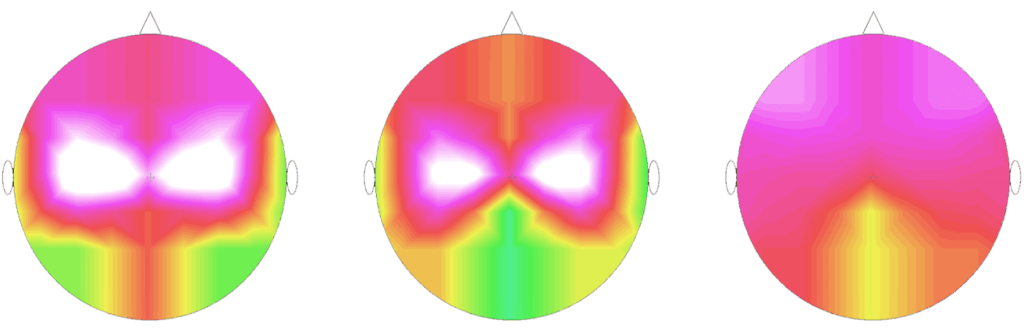
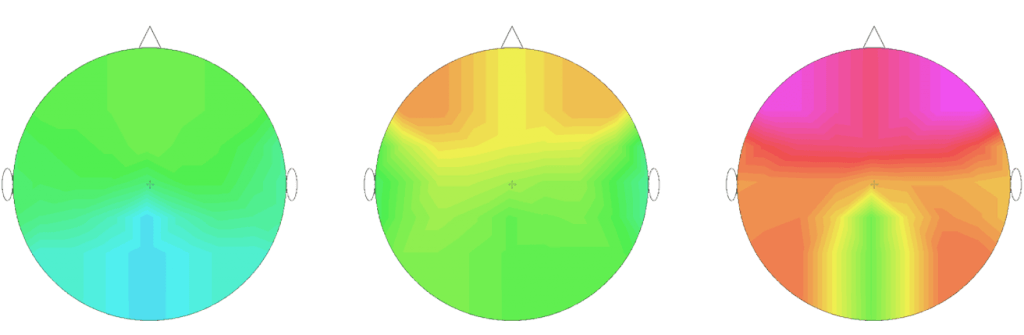
Andrew Meyer personally conducted brain mapping before and after participants' experiences. The images below show the visual comparisons that were shared with us.

Before

EEG brain maps recorded before the Harlequin Experience

Original before-mapping image supplied by Be Limitless.

After

EEG brain maps recorded after the Harlequin Experience

Original after-mapping image supplied by Be Limitless.

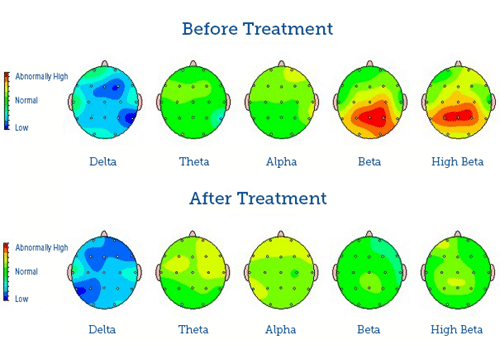
The separate example below labels five EEG frequency bands: Delta, Theta, Alpha, Beta and High Beta. Its colour scale is labelled “Abnormally High,” “Normal” and “Low.”

Illustration showing EEG Delta, Theta, Alpha, Beta and High Beta maps before and after treatment
What can we conclude?
These images show differences in the displayed colour patterns. Without the underlying measurements, recording conditions, technical method and interpretation report, we cannot establish whether the differences represent clinically meaningful improvement or what caused them. The maps should not be treated as proof that the experience treats anxiety, depression or another medical condition.

We include the maps as part of the story of Andrew's exploration—not as a medical claim. Understanding what they demonstrate requires looking beyond the colours to the underlying measurements and evidence.

Real people · Real experiences

What participants say about their experience

Every participant brings a different story. These are personal accounts of what people say they took from the Harlequin Experience; individual experiences vary.

Relationships
“Harlequin experience helped me to understand myself and the people around me better. It took my marriage to a deeper level. We speak the same language now and we are able to work through problems in a much better way.”
Hilde
Self-discovery
“It didn’t answer my questions, it equipped me to answer my own.”
Igor
Everyday practice
“Best money I have ever spend on myself. An experience with no price tag on it. I am using the tools from these workshops in my everyday life.”
Hanneke
Awareness
“I am definitely more aware of my behaviour and thoughts around people and I have learned to be more open-minded when I am in conversations with people…”
Charmaine
Testimonials reflect individual experiences and are not evidence of medical effectiveness.

Where does the Harlequin Experience fit in?

The Harlequin Experience invites you to look beyond the surface of your behaviour and explore the patterns that influence how you navigate life.

It is an opportunity to examine your reactions, question familiar assumptions and consider different ways of responding to yourself and others. The aim is not to promise a healthier body through positive thinking, but to create space for greater self-awareness, more conscious choices and personal growth.

Personal development is not a substitute for medical care or mental-health treatment. If you are experiencing physical or psychological symptoms, seek guidance from a qualified healthcare professional.

What am I doing, what is it costing me, and what am I willing to do differently?

You may not be able to control every circumstance in your life. But you can begin exploring how you meet those circumstances—and what you want to do differently next time.

Your next step

Curious about what you might discover?

If this article has prompted you to look at your own patterns differently, explore the Be Limitless Harlequin Experience and decide whether it is the right next step for you.

Book Your Experience  →

A personal development experience—not a medical treatment or a guarantee of health outcomes.